| The
Mine Problem Southern
Lebanon
Landmines and unexploded ordnance
(UXO) left over from the Israeli occupation of southern Lebanon
and previous periods of conflict in the area dating back to the
French mandate continue to hamper the effective restoration of
peace and security in the area.
While landmine casualty figures have fallen significantly since
initial levels recorded immediately following the withdrawal,
the remaining landmines and UXO continue to impact on the reconstruction,
socio-economic development and the return of normalcy to community
life for those in affected areas.
It can often be misleading to focus on the number of mines however
it is useful to note that the south of Lebanon is the most highly
contaminated region of the country. At the end of 2003 there remains
an estimated 410,000 landmines in the area.
The majority of these mines lie in the immediate proximity of
the UN delineated ‘Blue Line’ between Lebanon and
Israel. These minefields are known as the ‘border minefields’
and they stretch from Naqoura on the Mediterranean coast to Kfar
Chouba in the east. These border minefields remain a risk to the
UNIFIL
troops operating in the area and to those villages in the immediate
vicinity of the Blue Line. Mines and UXO
are also present in and around the immediate vicinity of villages
throughout the area away from Blue Line. The immediate areas of
risk are those village communities living in close proximity to
minefields within the former occupied zone other than along the
Blue Line.
Victim Statistics For South Lebanon
Period
|
Deaths
|
Injuries
|
Unknown
|
Total |
| May
2000 - Dec 2000 |
10 |
70 |
0 |
80 |
| 2001 |
13 |
54 |
2 |
69 |
| 2002 |
1 |
15 |
0 |
16 |
| 2003 |
0 |
12 |
0 |
12 |
| 2004 |
2 |
10 |
0 |
12 |
| 2005 |
4 |
12 |
0 |
16 |
| 2006 |
0 |
0 |
0 |
0 |
Total |
30 |
173 |
2 |
205 |
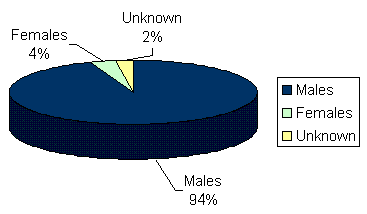
VICTIM BREAKDOWN BY GENDER
Ordnance Profile
There are 19 confirmed types
of anti-personnel mines, 14 confirmed types of anti-tank mines,
and 3 known types of cluster bomb munitions in southern Lebanon.
There were laid during the many conflicts periods dating as far
back as the French mandate, and by many different forces and factional
groups.
The following items of ordnance
have been located and confirmed by UNIFIL,
commercial and NGO
Demining Organisations in southern Lebanon.
A. Anti Personnel (AP) mines:
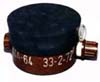
GAYATA 64
(Hungarain) |
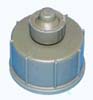
MI APDV 59
(France) |
MI APID 51
(France) |
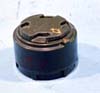
M 14
(USA) |
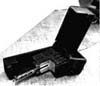
No. 3
(Israel)
|
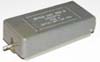
No. 4
(Israel)
|
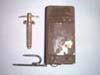
No. 4 Enhanced*
(Israel) |
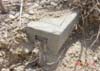
No. 4A
(Israel) |

No. 10
(Israel)
|
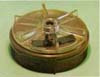
M 411
(Portugal) |
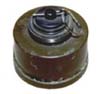
PRB M 35
(Belgium)
|
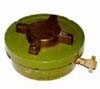
PMN 2*
(Soviet Union) |
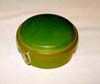
Type 72 A*
(China) |
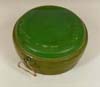
Type 72 B*
(China) |
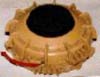
VS 50
(Italy) |

M 2
(USA)
|
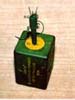
M 3
(USA) |

M 16 A2
(USA) |
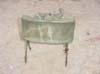
No. 6
(Israel)
|
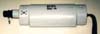
SPM
(Soviet Union)
|
B. Anti Tank (AT) Mines:
MI AC ID 51
(France) |
MI AC ID 47
(France)
|
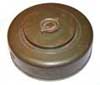
M6 A1/A2
(USA) |
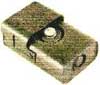
M7 A2
(USA) |
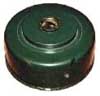
M 15
(USA) |
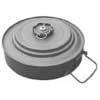
No. 6
(Israel) |

PRB M3/ M3A1
(Belgium) |
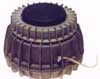
TC 6*
(Italy) |
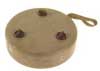
TMA 3
(Yugolasvia) |
TMA 5/5A
(Yugolasvia) |
TM 46/ TMN 46
(Soviet Union) |
TM 62 M
(Soviet Union) |
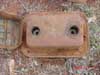
Light
(France) |

NR 25
(Holland) |
M 19
(USA)
|
C. Cluster Bombs:
|
M 42*
(USA) |
M 43
(USA) |
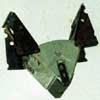
BLU 18 B
(USA) |
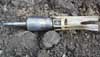
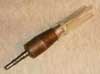
MK 118 MOD 0 &1*
(USA)
|
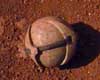
BLU 26 B
(USA) |
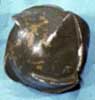
BLU 63 B
(USA) |
D. Other Ordnance:
|
M48 Parachute Flare*
(USA) |
*Not located in
southern Lebanon to date but confirmed in other parts of Lebanon.
For further information on a specific
landmine or cluster munitions refer to Threat
Fact Sheets
<<TOP>>
|